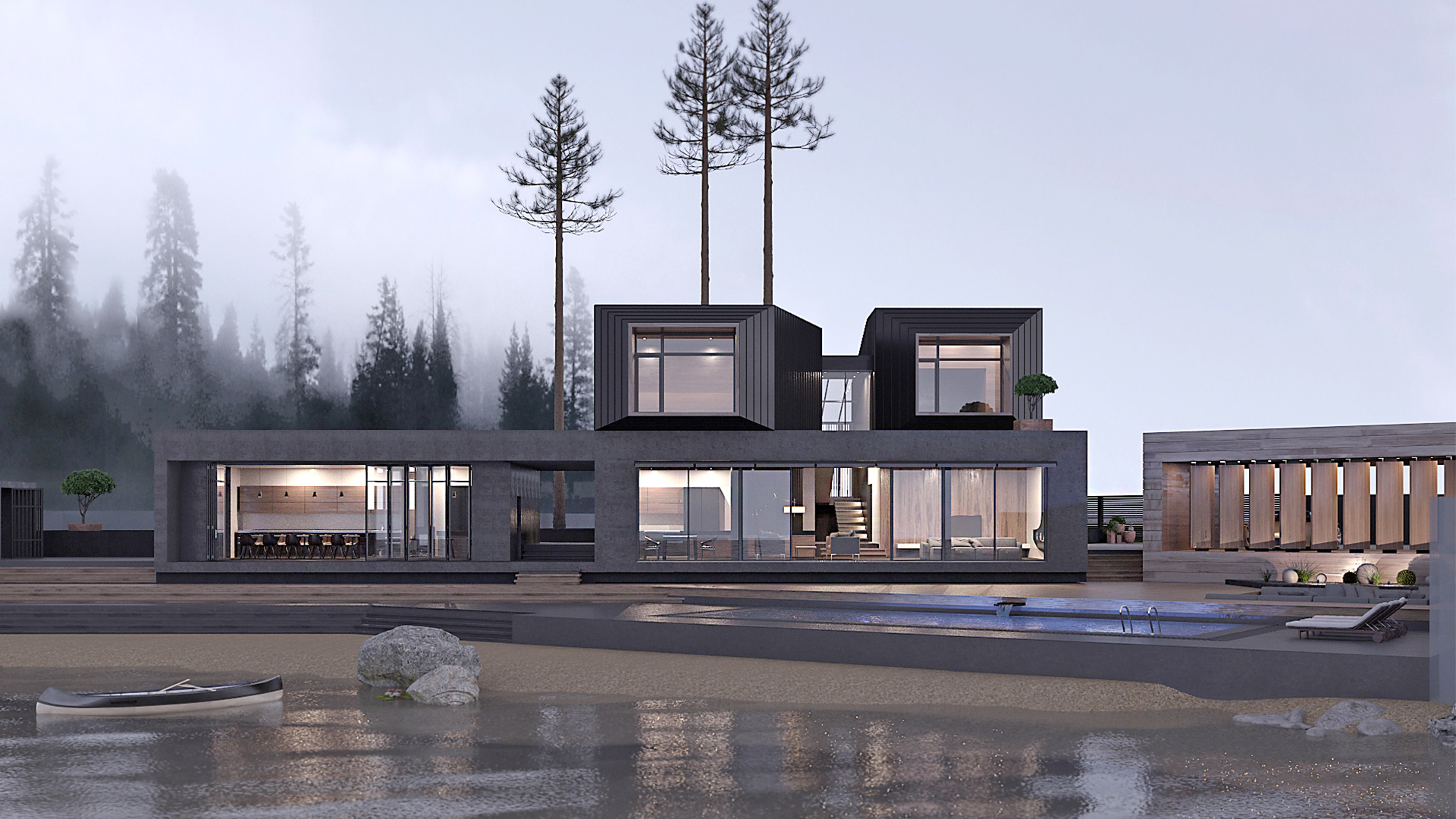
Architectural and interior concepts
At CITEK, the concept is the first design stage after the site audit. It translates the results of analysis, constraints, and spatial potential into a clear direction for the future project. A concept is not a style or a visual gesture. It is a working spatial model that allows informed decisions to be made before full-scale design begins and before major investments are committed. At this stage, we define spatial logic, functional priorities, usage scenarios, the scale of decisions, and the acceptable limits of change.
After the audit, it becomes clear what we are actually working with. The concept answers the key questions: what to do with this space and which direction to move in. It allows ideas to be tested against budget, technical feasibility, regulations, and real user needs—before complex and costly stages begin. For residential projects, the concept structures everyday life and living scenarios. For commercial projects, it establishes the foundation of spatial business logic, flows, and brand recognizability. For architecture, it defines the principles of volumetric and planning solutions, interaction with context, and future building operation. Our approach is pragmatic: function, scenarios, spatial relationships, material principles, and clearly defined constraints. Visual elements are used as a tool to test decisions, not as a decorative goal. The concept becomes the foundation for all subsequent stages—design development, technical documentation, and implementation. The result is a clear direction, fixed rules of engagement, and confidence that further investments are logical, justified, and purposeful.
PROJECT DESIGN STAGES - ACTION ALGORITHM
INTRODUCTION
We lay the foundation for creating your future interior
During a meeting with our art director, we will discuss your preferences and ideas about how you would like the interior to look. At this stage, we will also gather information about the location of the apartment/house, its size, and current layout. Next, based on your wishes or the completed brief (a unique questionnaire with specially compiled questions that we need to start the design process), we prepare a commercial offer and conclude a contract, after which we begin the design process.

AUDIT OF THE OBJECT
Invest with confidence — evaluate the potential of the space before the project even starts
Before investing in space, you should be completely confident in what you are buying. We offer professional advice even before the start of the project or even before signing the purchase agreement, which allows you to avoid unpleasant surprises and correctly assess the cost and prospects of the property. This is an opportunity to analyze the property in detail, consider it through the prism of architectural and living potential, and understand the opportunities it offers for planning, project implementation, and long-term use.
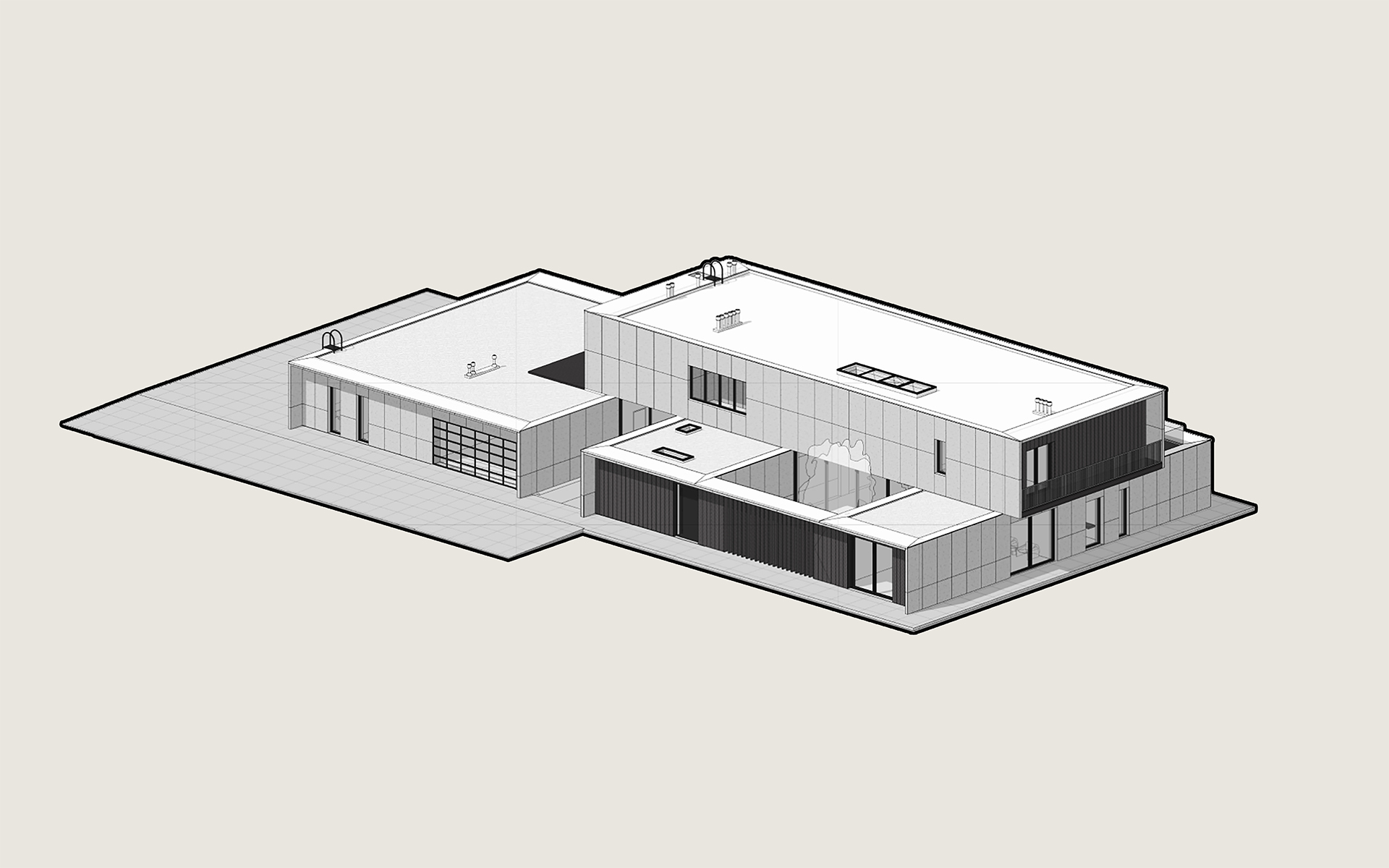
SERVICE PACKAGES
ARCHITECTURAL CONCEPT
What is included in the package:
- Analysis of client’s tasks, briefing
- General concept of the house: appearance and layout, taking into account zoning and furniture
- Concept of landscaping the site: location of the house, entrances, terraces and recreation areas
- Photorealistic visualization of the house
INTERIOR CONCEPT
What is included in the package:
- Analysis of client tasks, briefing.
- General concept of the house: appearance and layout, taking into account zoning and furniture.
- Concept of landscaping the site: location of the house, entrances, terraces and recreation areas.
- Photorealistic visualization of the house.
Technical documentation (drawings) for building the house.
Specifications of windows and doors, landscaping elements.
Set of finishing materials for facades, terraces and paths/areas.
Development of landscaping elements: recreation areas, utility buildings, fences, decorative elements.
FAQ
Where to start?
The first step is to contact us and discuss your wishes and needs. We will prepare a preliminary consultation, assess the scope of work, and determine the next steps for creating your interior design project.
What does the project include?
The interior design project includes everything you need to create your ideal space: needs analysis and style concept, planning with furniture and zones in mind, photorealistic 3D visualizations, technical documentation for implementation, selection of furniture, lighting, and materials. You can find detailed information about all stages and services in the “Service Package” section.
What is the cost of the project?
The cost is calculated based on the selected service package, area, complexity, and selected solutions. We prepare an individual commercial offer after a brief consultation and discussion of your needs.
EXAMPLES OF PROJECTS
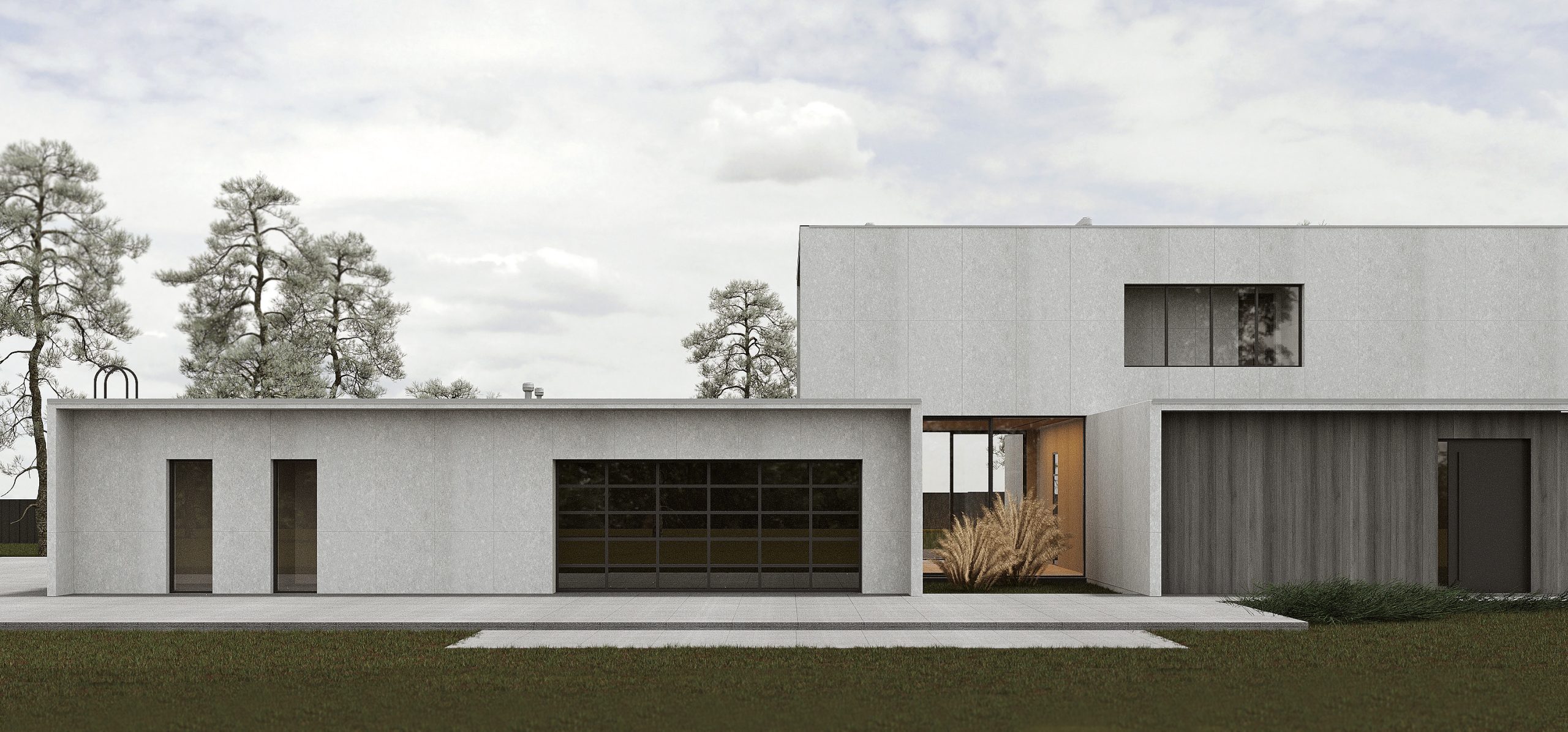
Dream house
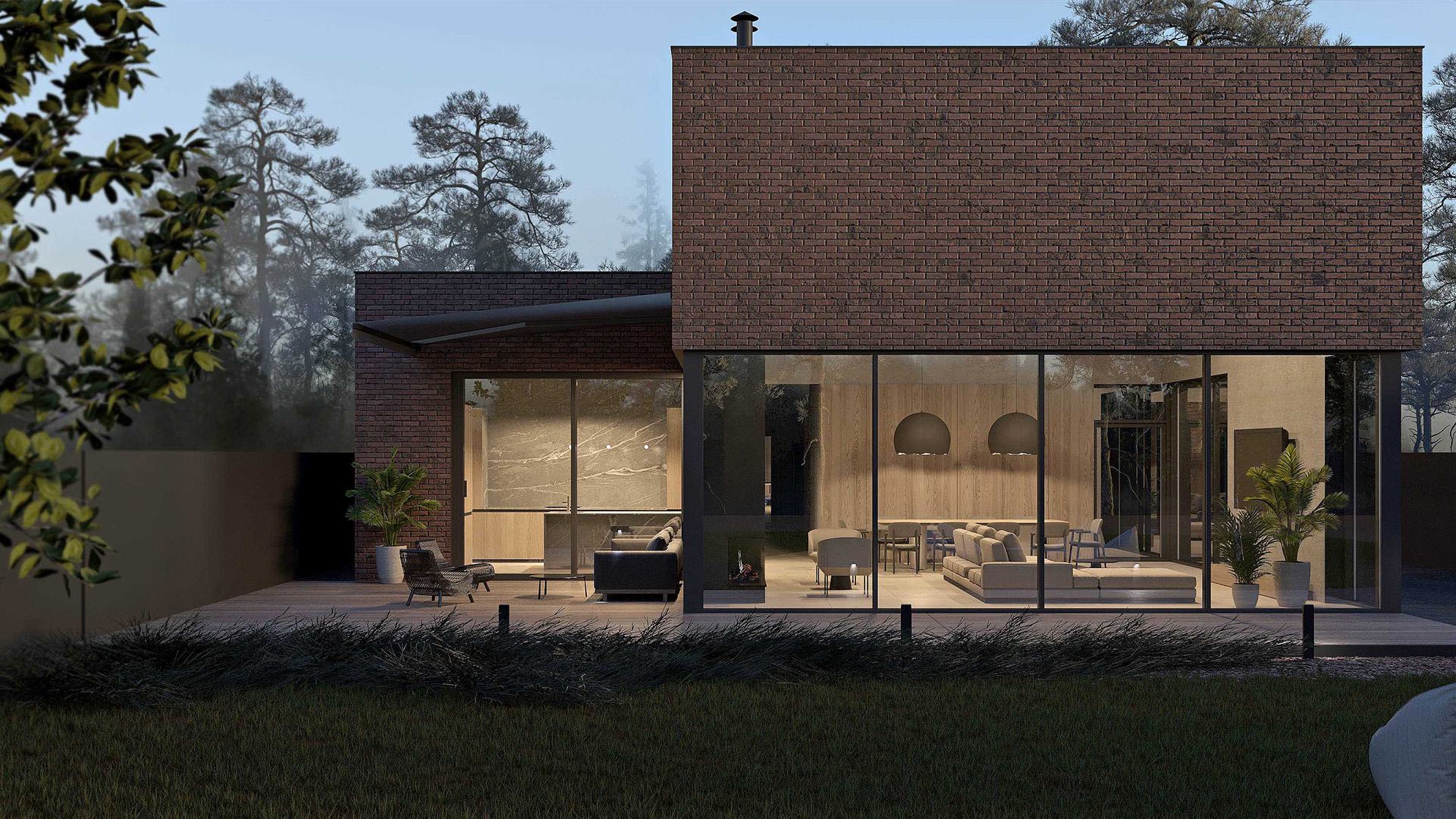
BRICK HOUSE
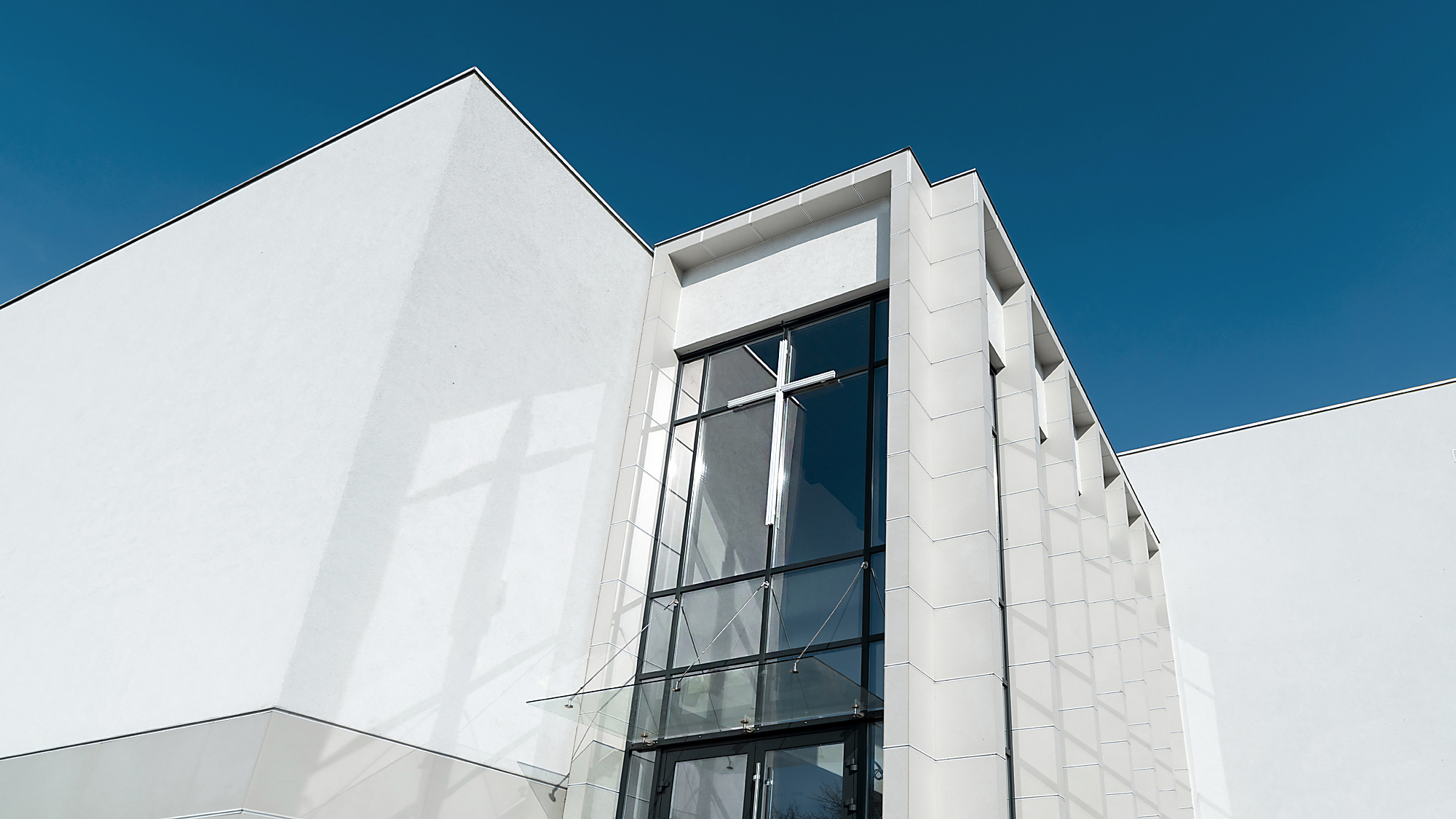
Smila Church